
"coffee rootstock"
27 article(s) found

Structure diagram of coffee bean structure text roaster
Coffee bean structure text roaster structure diagram selection of coffee mother tree on the fully mature, normal shape, full, the same size, with two seeds of fruit. To remove the peel of the selected fruit, you must be careful to prevent damage to the seeds and affect the germination rate, and then put the peeled seeds in a ventilated and cool place to dry. The seed shell can be whitened and the seeds can not be exposed.

The reproduction mode of small-grain coffee
Seed selection Coffee mother tree fully mature, fruit shape is normal, full, the same size, with two seeds of fruit. To remove the peel of the selected fruit, you must be careful to prevent the seeds from being damaged and affect the germination rate, then put the peeled seeds in a ventilated and cool place to dry, the shells can be whitened and the seeds can not be exposed. Put the seeds into bamboo baskets or cloth bags.
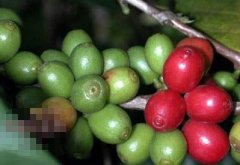
Planting and cultivation of Coffee
1. Seed propagation (1) seed collection, seed washing and seed storage during the full ripening period of coffee (the full ripening period of medium-grain coffee in Hainan Island is from February to March, and that of small seed is from September to November). The fully ripe fruits are picked from strong and high-yielding mother trees to make seeds. After the fruit is harvested, immediately peel and wash the seeds, the method is to put the fruit on the hard and rough ground, use a brick to grind the peel, or you can use a peeling machine

Comparative Analysis and introduction of large mutation Maragogype and small mutation Mokka
Professional barista communication please follow the coffee workshop (Wechat official account cafe_style) large mutation Maragogype from Typica. The plant characters of this mutant variety are taller than that of common coffee, but the yield is lower. The genetic factor is a pair of dominant Mg, and the offspring of crossing with normal caffeine are large, but the yield is higher, so they are often used as rootstocks and hybrid parents. Small process
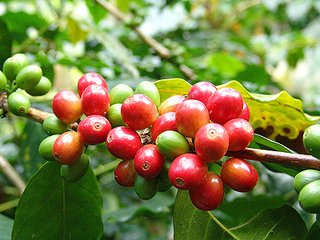
Coffee cultivation and cultivation Coffee cultivation techniques and techniques Introduction to the process of coffee green beans cultivation
(a) seedling propagation coffee seedling propagation can be divided into seed propagation and asexual propagation. 1. Seed propagation (1) Seed collection, seed washing and seed storage In the mature period of coffee (the mature period of medium seed coffee in Hainan Island is 2~3 months, and the mature period of small seed coffee is 9~11 months), fully mature fruits are picked from healthy and high-yield mother trees to make seeds. After the fruits are picked, peeling and seed washing are carried out immediately.

Cultivation techniques of Coffee Tree Seedling Propagation and Establishment of Coffee Garden
(1) Seedling propagation Coffee seedling propagation can be divided into seed propagation and asexual reproduction. 1. Seed propagation (1) seed collection, seed washing and seed storage during the full ripening period of coffee (the full ripening period of medium-grain coffee in Hainan Island is from February to March, and that of small seed is from September to November). The fully ripe fruits are picked from strong and high-yielding mother trees to make seeds. After the fruit is harvested, peel and wash the seeds immediately. The method is to remove the fruit.

Cultivation and cultivation of High-quality Coffee
(1) Seedling propagation Coffee seedling propagation can be divided into seed propagation and asexual reproduction. 1. Seed propagation (1) seed collection, seed washing and seed storage during the full ripening period of coffee (the full ripening period of medium-grain coffee in Hainan Island is from February to March, and that of small seed is from September to November). The fully ripe fruits are picked from strong and high-yielding mother trees to make seeds. Immediately after the fruit is harvested, peel and wash the seeds. The method is to place the fruit.
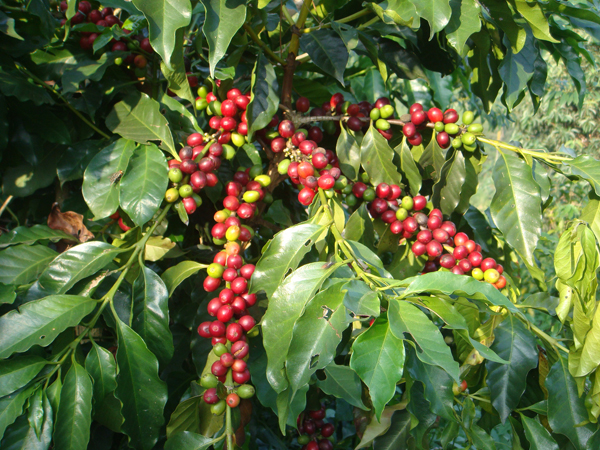
Explain the planting and cultivation of coffee trees in detail to understand the growth environment and needs of coffee trees.
(1) Seedling propagation Coffee seedling propagation can be divided into seed propagation and asexual reproduction. 1. Seed propagation (1) seed collection, seed washing and seed storage during the full ripening period of coffee (the full ripening period of medium-grain coffee in Hainan Island is from February to March, and that of small seed is from September to November). The fully ripe fruits are picked from strong and high-yielding mother trees to make seeds. Immediately after the fruit is harvested, peel and wash the seeds. The method is to place the fruit.
Comparison of two varieties of high-quality coffee beans: Arabica and Robusta
Arabica (Arabica) Robusta officially named 1753 AD 1895 coffee tree height 6 "8 m 10 m the best planting height 800m 2000 m flat land ~ 800m the best plant height 15025 o C 24030 o C the best rainfall 1500 ~ 2000mm 2000 ~ 3000mm 70% of the world yield

Seed Origin and genetic breeding of Coffee varieties A detailed description of the Flavor characteristics of Coffee Bean species and planting
Professional coffee knowledge exchange more coffee bean information please follow the coffee workshop (Wechat official account cafe_style) coffee origin and genetic breeding coffee, is not just a drink? Coffee is really just a drink, just the people who drink it, it's too complicated! Coffee belongs to the evergreen shrub of the genus Coffee of Rubiaceae. There are about 125 species of plants under the branch of Coffea.
The variety of coffee
The varieties of coffee beans (Coffee Bean) can be divided into three types, namely Arabica (Arabica), Robusta (Robusta) and Lubebica (Liberica)
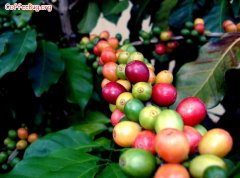
A variety of coffee, Arabica, Karobsta, Lubebeca
Coffee beans (Coffee Bean) can be divided into three types, namely Arabica-coffee contains caffeine of about 1% per cent by weight. Generally speaking, the better quality and more expensive coffee beans come from coffee beans grown by Elaraby. It accounts for 3/4 of the world's output and is of good quality, because the coffee tree itself is sensitive to heat and humidity.
Varieties of coffee beans
According to the variety of coffee beans (Coffee Bean) can be divided into three types of coffee beans are: Arabica coffee contains about 1% per cent by weight of caffeine, generally speaking, the better quality, more expensive coffee beans, are from Elaraby (Arabica) coffee beans. Accounts for 3/4 of the world's output, good quality, due to the coffee tree itself

Tell me about the varieties of coffee beans.
According to the variety of coffee beans (Coffee Bean) can be divided into three types of coffee beans are: Arabica coffee contains about 1% per cent by weight of caffeine, generally speaking, the better quality, more expensive coffee beans, are from Elaraby (Arabica) coffee beans. Accounts for 3/4 of the world's output, good quality, due to the coffee tree itself

Coffee beans and coffee beans
Coffee beans (Coffee Bean) varieties can be divided into three types, namely Arabica (Arabica) -coffee contains about 1% of caffeine by weight, generally speaking, the better quality, more expensive coffee beans, are from Arabica (Arabica) coffee beans. It accounts for three-quarters of the world's production and is of excellent quality because the coffee tree itself is resistant to heat and humidity.
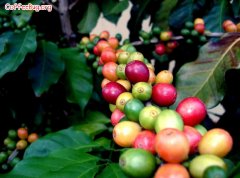
Variety classification of high-quality coffee beans and knowledge coffee
Coffee beans (Coffee Bean) can be divided into three types, namely Arabica-coffee contains caffeine of about 1% per cent by weight. Generally speaking, the better quality and more expensive coffee beans come from coffee beans grown by Elaraby. It accounts for 3/4 of the world's output and is of good quality, because the coffee tree itself is sensitive to heat and humidity.
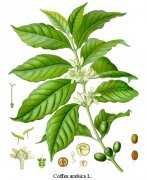
Coffee cultivation techniques detailed explanation of planting knowledge of Coffee trees
Coffee, cocoa and tea are called the three major beverages in the world, and their output, consumption and output value all rank first. In addition to being used as a beverage, coffee can also extract caffeine and coffee oil; in medicine, it can be used as an anesthetic, stimulant and diuretic cardiotonic agent. Coffee pulp can be used to make wine, vinegar, pectin and molasses; dried pulp can be used as animal feed; dried fruit shell can be used as fertilizer and burning

Introduction to the varieties of Coffee beans
Arabica coffee contains about 1% per cent of caffeine by weight. Generally speaking, better quality and more expensive coffee beans come from coffee beans grown by Elaraby. It accounts for 3/4 of the world's output and is of good quality. because the coffee tree itself is very sensitive to heat and humidity, the growth conditions are at least 900m above sea level.

Why are Kenyan coffee beans all red? Historical Story and auction Department of Coffee cultivation and production in Kenya
How beans are processed: a specific agreement has been established during the processing of beans in Kenya, which can produce reliable and high-quality products, all processed by wet process. this tends to produce cleaner, brighter, more fruity cups. Kenyan coffee is mostly red because only fully mature red is selected during the picking process.

Ugandan Coffee Bean varieties introduction to Ugandan coffee varieties
For more information about coffee beans, please follow the Coffee Workshop (official Wechat account cafe_style) about treatment: during the harvest season, Kyagalanyi encourages farmers to send cherries to their latest wet mills instead of hand-pulping them on their farms. This enables the programme to strengthen control over processing activities, which can be challenging in the region because of the